Why Tee Ball Leopard Mom Is a Craft Fair Must-Have
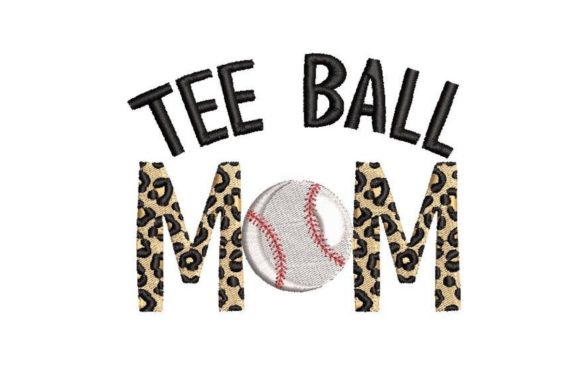
As an embroidery designer preparing for a weekend market, my first task is to curate designs that will not only look beautiful on finished products but will actively sell. When I evaluate a new design like Tee Ball Leopard Mom, I’m looking at it through a very practical lens: will it draw customers to my booth, can I produce it efficiently, and does it add value to the items I create? From the moment I read the title, this design strikes me as playful, modern, and boldly graphic. The “leopard-style” element suggests a trendy, textured pattern, while the “Mom” focus clearly targets a popular and emotional gift-giving category. This combination is promising.
The Visual Impact on Craft Fair Products
In a crowded craft fair, your products need to communicate their appeal instantly. Tee Ball Leopard Mom has a graphic, almost badge-like quality that makes it highly legible from a few feet away. This is crucial for booth display. Imagine this design embroidered on a crisp white apron or a natural canvas tote bag. The contrast and bold lettering would make it a focal point on your table. On a darker fabric, like a black market bag, the leopard-style background would need sufficient thread contrast to pop—a note to test carefully. The design feels decorative and premium, not minimal or rustic, which lends itself to products where you want to add a special, personalized touch.
For handmade shops, the “Mom” theme is a perennial winner. It taps directly into the sentiment customers are seeking when shopping for gifts. This design isn’t softly elegant; it’s fun and confident. That mood translates perfectly to casual, everyday items that moms would actually use and enjoy. Think kitchen tea towels, practical fabric pouches for organizing, or a sturdy cap. On a pillow cover, it could become a statement piece in a living space. The key is choosing products that match the design’s energetic vibe.
Practical Production for the Busy Maker
Turning a digital embroidery file into a stack of sellable products requires efficiency. The product description mentions the design comes with multiple embroidery file formats, which is excellent. This flexibility means I can likely use it on different machines and for various applications. However, as a professional, I never skip the pre-production checklist. Before I stitch anything for sale, I test the design on scrap fabric that matches my final product material. For Tee Ball Leopard Mom, I’m particularly mindful of stitch density in the leopard-style area. Dense fill stitches can be stunning but may require careful stabilizer choice on thinner fabrics like tea towels or on curved surfaces like caps to prevent puckering.
I also check thread contrast for visibility. Small lettering, like perhaps on “Tee Ball,” needs to be inspected for clarity at the intended size. If I plan to make embroidered patches, I need to confirm the design works at a smaller scale without details becoming lost. Batch production is feasible if the design is straightforward to hoop and stitch without constant thread color changes. I’d advise every maker to create at least one real mockup—a finished tote bag or apron—before committing to a full production run. This reveals how it photographs for your Etsy listings and whether the handmade quality feels consistent with your brand.
Where This Design Stands Out in Your Booth
Your craft fair booth is a visual story. Tee Ball Leopard Mom would shine on a few specific products that encourage buyer engagement. Embroidered tote bags are a top seller and make a perfect canvas for this design; they’re functional, giftable, and the size allows the design to be a large focal point. An apron with this embroidery becomes a conversation starter—it’s both a useful kitchen item and a clear statement gift. For smaller, lower-price-point items to attract quick sales, consider simple embroidered patches or small pouches. A patch can be applied to anything, offering versatility, while a pouch is a sweet, affordable gift.
Presentation matters. In your display, group products featuring this design together to create a themed “For Mom” section. This visual repetition strengthens your booth’s narrative and helps customers instantly understand the product’s purpose. A well-embroidered pillow cover or pillow sham sample displayed prominently shows the design’s potential for home decor, elevating the perceived value. Always remember, at a market, people buy what they can see and touch; the texture of the embroidery on a tea towel or the crispness on a cap adds tangible quality that online mockups can’t convey.
Critical Notes for Commercial Success
Running an embroidery business means balancing creativity with commercial sense. For Tee Ball Leopard Mom, the appeal is clear, but the execution defines its success. First, confirm commercial licensing before selling any finished products. The product description doesn’t specify license terms, so it is imperative to verify that your use for craft fair and handmade market products is permitted. Second, consider fabric texture. Embroidering on a looped terrycloth towel versus a smooth cotton canvas yields different results; the leopard texture might look softer on a textured towel, which could be desirable or might lose some sharpness.
Third, think about color variations. While the classic leopard style often uses golds and blacks, testing on a range of fabric colors—navy, gray, blush—can open up new product lines and cater to different tastes. Fourth, evaluate hoop size requirements. Knowing the optimal hoop size for this machine embroidery design will streamline your production setup. Finally, assess its repeatability. Does the design feel special but not so complex that stitching it twenty times becomes tedious? For a busy fair weekend, you need designs that are both beautiful and reliably reproducible. Tee Ball Leopard Mom, with its strong graphic elements and emotional hook, has the potential to be one of those workhorse designs that not only fills your booth with attractive items but consistently fills your sales bag as well.
In the end, a design like this is more than just an embroidery file; it’s a product catalyst. It directs your material choices, your booth layout, and your sales pitch. By approaching it with a professional’s eye for detail and a seller’s understanding of customer psychology, you transform a digital asset into a tangible, profitable part of your handmade business. Get the technical details right, make it look impeccable on the final product, and let its bold, playful message speak for itself on the sales table.