Fashion Police: A Designer’s Review for Craft Fair Success
Every weekend warrior in the handmade market knows the hunt is for designs that connect instantly. Today, I’m looking at the Fashion Police embroidery design from the perspective of my worktable, littered with hoops and fabric swatches, as I plan my next craft fair booth. This title alone tells me exactly what mood we’re in: playful, conversational, and a little bit cheeky. It’s not rustic, not minimal, not premium. It’s funny and bold, a personality piece that speaks to a shared experience. That’s a powerful starting point for any craft fair product.
Where This Design Stands Out on Your Booth Table
The first rule of a bustling market booth is visual hierarchy. A customer’s glance from three feet away decides if they walk closer. Fashion Police, as a concept, has that magnetic pull. Imagine a table full of elegant florals and soft script—this design becomes the conversational anchor. It’s the piece that makes someone smile and point, saying “Oh, we all know one!” to their friend. That moment of recognition is pure sales gold.
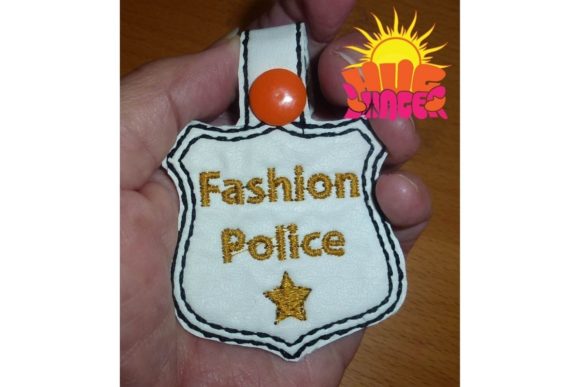
For physical products, I envision it shining on items meant for giftable handmade items. The description hints at this perfectly. It’s not a self-purchase; it’s that perfect, slightly irreverent gift. Therefore, its placement should be strategic. A bold tote bag design featuring this phrase near your booth entrance acts as a banner. Smaller, more intimate applications, like a fabric pouch or a pillow cover in a gift-ready section, complete the story.
Product Application: From Towels to Caps
Let’s get practical and run through the lineup. My mental checklist for any machine embroidery design always starts with ease of production and end-user appeal.
- Tote Bags & Market Bags: A large, centered design here makes a statement. The bold text ensures readability from a distance. It’s a high-value handmade product that justifies a higher price point.
- Aprons & Kitchen Towels: For apron embroidery or tea towel embroidery, this is a winner. The humor fits the communal, slightly chaotic vibe of cooking and gatherings. It personalizes a utilitarian item.
- Caps: Curved surfaces are tricky. The design’s success on a cap hinges entirely on its layout and lettering size. If the embroidery file has a condensed, horizontal layout, it could work beautifully. But tiny details can get lost on textured, curved fabric.
- Embroidered Patches: This is a fantastic idea. A standalone embroidered patch allows the customer to apply the humor anywhere. It’s a lower-cost entry point for buyers and fantastic for batch production.
- Pillow Covers & Pouches: These items feel more “gift” oriented. A smaller, corner placement on a pillow or centered on a pouch offers a softer, but still witty, decorative touch.
The Production Reality: Stitches, Thread, and Time
Turning a digital file into a stack of sale-ready products requires a manufacturer’s eye. The description notes multiple embroidery file formats, which is crucial for Cricut and embroidery crafters using different machines. But the designer’s job starts after the file is loaded.
Here are my essential embroidery designer notes for Fashion Police before you stitch the first finished product:
- Always Test on Scrap Fabric. Use the exact material you plan to sell—whether it’s canvas for a bag, linen for a towel, or twill for a cap. This reveals everything about stitch density and fabric texture interaction.
- Check Thread Contrast. This design relies on clear readability. On dark fabrics, a bright, opaque thread (like white or a bold color) is non-negotiable. On light fabrics, a dark thread will pop.
- Review Lettering Size and Spacing. The phrase “Fashion Police” likely has small lettering. Embroidered at a very small size on a towel or pouch, thin serifs or tight spacing might fill in and become blurry. You might need to adjust the intended hoop size to maintain clarity.
- Inspect for Dense Stitch Areas. Some designs have densely packed areas that can cause puckering, especially on thinner fabrics like tea towels. Proper stabilizer choice is paramount here to maintain that handmade quality look.
- Create One Real Mockup. Never rely solely on a printable mockup for your Etsy listings or booth samples. Stitch one complete, best-version product. Photograph it in good light. This shows the true texture and appeal, boosting perceived product value.
- Confirm Commercial Licensing. The description doesn’t specify license terms. For any small shop product or commercial embroidery, you must verify that selling physical products with this digital embroidery file is permitted. This is a critical, non-negotiable step.
Selling Psychology: Why This Design Engages Buyers
Beyond the stitches, we sell connections. Fashion Police operates on a shared cultural joke. It’s inclusive. At a craft fair, that translates to direct engagement. A customer sees it on an apron and immediately thinks of a friend, a sister, or a co-worker. It shortcuts the “who would buy this?” question. For boutique makers, this strengthens brand consistency if your vibe is playful and conversational.
For online sellers, like Etsy sellers and digital sellers, the title itself is a search-friendly phrase. It photographs well because it’s graphically clear—text-based designs are often easier to capture sharply than intricate pictorial ones. In your listings, pair the photo with copy that leans into the gift angle: “The perfect gift for your style-obsessed bestie.”
Final Verdict for Your Handmade Business
Fashion Police is a strong contender for your product line, particularly if your niche leans toward humor and personality. Its best chance to sell lies on higher-visibility, gift-oriented items: the tote bag at the front of the booth, the tea towel in a kitchen set, the patch on a display board. It may require careful testing to ensure small-letter clarity on certain fabrics, but its instant communicative power is a major asset.
My ultimate advice is to treat it as a focal point, not an accent. Let it be the bold statement on a product. Batch production is feasible, especially on items like patches or pouches where setup is consistent. Remember, your booth display strength comes from variety. Pair this bold, funny piece with more elegant or rustic designs to create a balanced, engaging table that tells multiple stories and captures every kind of customer walking by.