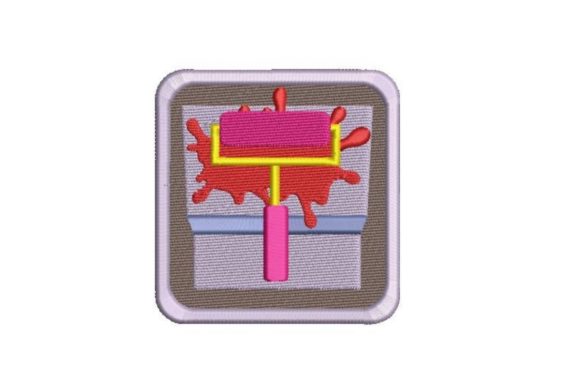
Paint Roller: A Weekend-Ready Embroidery Design for Boutique Apparel
When a boutique approaches me to develop a premium sweatshirt collection, the first thing I do is evaluate the machine embroidery design itself. It's not just about aesthetics; it's about how the design translates into a tangible, sellable product on fabric. So, when reviewing Paint Roller for a potential limited drop, my lens is purely practical: will this design elevate the garment and resonate with the brand's audience?
First Impressions: The Mood & Stitching Personality
The name Paint Roller immediately sets a tone. It's playful, creative, and hints at a leisurely weekend vibe—perfect for the "let the weekend begin" ethos described. This isn't a overly cute or feminine motif; it leans more towards a bold, graphic, and slightly rustic charm. The layout suggests a central, focused element, likely with clean lines and defined areas. For a sweatshirt, that means it has the potential to be a strong, recognizable focal point without feeling cluttered or overly decorative. The detail level implied by the title needs to be substantial enough to convey the tool's character but not so dense that it becomes a stitching challenge on thicker fabrics.
Placement & Application on Boutique Sweatshirts
For a small shop product, versatility in application is key. Paint Roller feels naturally destined for a classic chest placement on an oversized hoodie. It would sit as a confident, slightly left-of-center logo, creating a clean and modern look. On a dark fabric—like a charcoal or black sweatshirt—I would plan for high-contrast thread colors (a bright white or a warm cream) to make the design pop. On neutral heather grays or oatmeals, it could work with both bold or tonal threads, adapting to a more minimal aesthetic.
This design also has strong potential as a sleeve accent, smaller and repeated, or even as a larger back design on a cozy seasonal apparel piece. Its graphic nature would translate well into lifestyle product photography and digital mockup previews, helping an Etsy seller visualize the final handmade product before stitching. For custom apparel branding, a design like this can become a subtle but recognizable brand marker, especially if used consistently across a collection.
Practical Production Considerations
Moving from concept to hoop, several technical questions arise. The provided description notes multiple embroidery file formats, which is crucial for compatibility across different machines—a must for commercial embroidery. However, specifics like stitch count and exact hoop size are not mentioned here, so I would always advise checking those details with the designer before production.
- Stitch Density & Fabric Thickness: Sweatshirt material, especially premium heavyweight cotton, requires a design with balanced density. Too dense, and it becomes stiff and may pucker; too light, and it won't hold its shape. Paint Roller needs to feel substantial enough to withstand the fabric texture.
- Stabilizer Choice: A cut-away stabilizer would likely be my go-to for durability on a stretchy sweatshirt, ensuring the design remains crisp after multiple washes.
- Small-Size Readability: If used for a smaller sleeve logo, the design's elements must remain clear and not blur into a single mass when minimized. This is a key test for any digital embroidery file intended for apparel.
- Washing Durability & Commercial Use: The design should communicate a feeling of strength. Does it look like it will hold up? For a boutique selling a premium product, buyer trust hinges on the finished product's longevity. A robust, well-digitized design is non-negotiable.
Elevating Product Value & Brand Identity
A successful embroidery design does more than decorate; it adds value. Paint Roller, by evoking a hobby and a sense of proud artwork, adds a narrative layer to the sweatshirt. It transforms it from a generic hoodie into a piece of conversational, lifestyle merchandise. This directly impacts customer engagement and the handmade presentation.
For a small brand, visual recognition is everything. A distinctive, well-executed embroidery like this can become that signature element. It feels casual yet premium, playful but not childish. It could attract a customer looking for something unique that speaks to their creative side, perfectly aligning with the communities of crafters and creative entrepreneurs.
Final Designer Notes for Your Project
In preparing for a real sweatshirt drop using Paint Roller, my final checklist would involve creating printable mockups with the chosen sweatshirt colors—pastels, neutrals, and dark tones—to see the contrast in action. I would test the embroidery file on a sample of the exact fabric to confirm hoop placement and stabilizer performance. The design's ability to look "proud of your artwork," as the description states, is ultimately judged on the garment. It should feel intentional, well-crafted, and seamlessly integrated, elevating the entire brand identity of the boutique with every stitch.