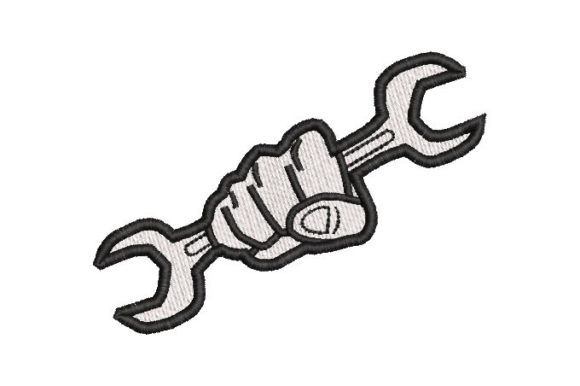
Corofija Mechanical Key: A Detailed Design Review
As an embroidery designer who relies on digital files for real client projects, I approach every new design with a critical eye. It’s not just about whether a pattern looks pretty; it’s about whether it will stitch out cleanly, add value to a finished product, and withstand practical use. Today, I’m sharing my thoughts on the Corofija Mechanical Key embroidery design from Creative Fabrica.
First Impressions: A Design with Character
Upon opening the Corofija Mechanical Key embroidery file, the immediate impression is one of intricate, vintage-inspired charm. It doesn’t feel like a generic graphic; it has a distinct personality. The design evokes a sense of craftsmanship and mechanical detail, which is a compelling aesthetic for many niches. The detail level appears high, suggesting a design that could translate into a visually rich, textured stitchout.
This decorative appeal makes it a natural fit for projects where storytelling or a specific mood is important. Think custom apparel for a hobbyist or maker community, tote bags for a boutique, or nursery decor with a steampunk or industrial theme. It feels like a design that could elevate a simple item into a conversation piece.
Practical Performance in Real Projects
Let’s move from aesthetics to the machine. How might Corofija Mechanical Key perform when the needle starts moving? This is the crucial test for any embroidery file you intend to use commercially.
Considering Fabric and Application
The product description states it is “very beautiful embroidered with any type of fabric.” In practice, this means the design’s stitch construction must be adaptable. For stable fabrics like cotton for aprons or kitchen towels, it should be straightforward. However, for stretchy fabric like sweatshirts or curved cap surfaces, the success will depend heavily on the stitch density and your choice of stabilizer. Areas with dense fill stitch or intricate satin stitch can pose challenges on these substrates.
For baby items or pillow covers that need frequent washing, you’ll want to inspect the small details after a test stitchout to ensure they are secure and won’t snag. The potential for tiny lettering or layered details in this key design means a careful test on scrap fabric is absolutely non-optional before committing to a customer’s order.
Hoop Size and Commercial Scale
A major factor for production efficiency is the required hoop size. Without specific details provided in the description, it is imperative to check the Creative Fabrica product page for this information before planning your project. A smaller hoop size allows for quicker production on items like patches or caps, while a larger design might be perfect for a statement piece on a baby blanket or tote bag. For Etsy listings or craft fair products, knowing the hoop size helps you plan your material usage and time investment accurately.
Adding Value to Your Handmade Business
Beyond the stitchout, a design’s impact on your business is key. The Corofija Mechanical Key has the potential to enhance product value and buyer trust due to its unique appearance. A well-executed, detailed embroidery can signal quality and care in a handmade presentation.
For giftability and customer engagement, a distinctive design like this can make your product stand out. It can contribute to brand consistency if your shop focuses on a niche aesthetic. Furthermore, the intricate result can be a boon for product photography, creating visual interest that attracts clicks and sales. Using it for a printable mockup in your listings can effectively showcase the final product’s appeal.
Navigating the Details for a Professional Finish
To ensure that potential is realized, here are essential steps I take with any design, including Corofija Mechanical Key, before it goes into a paid project:
- Check thread color contrast: Study the design and plan your palette for both light and dark fabric backgrounds. A test on both is wise.
- Review stitch density in your software: Look for areas that might be overly dense, which can cause puckering, or too sparse, which might not cover well.
- Inspect small details after stitching: Are delicate lines clean? Do fill areas have consistent coverage?
- Use the proper stabilizer: Match the stabilizer to the fabric weight and stretch. This is often the difference between a good and a poor result.
- Confirm file details and licensing: Always review the Creative Fabrica product page for the included file formats, machine compatibility, and the license terms before selling finished items. This protects your business and ensures you are using the digital embroidery file correctly.
Final Thoughts for the Working Designer
The Corofija Mechanical Key embroidery design presents a compelling stylistic opportunity. Its visual mood suggests it could be a standout element on a range of products, from custom apparel to handmade gifts. However, its true worth will be determined by its technical execution in your specific application.
My advice is to approach it as a professional: download it, examine the file in your software, and run a practical test on the actual fabric you plan to use for your sweatshirt embroidery, embroidered patch, or boutique merchandise. Only then will you know if its beautiful detail translates into a reliable, high-quality finish that meets your standards and justifies the time and material investment for your commercial embroidery projects.
Creative Fabrica offers a vast library of design assets, and the value of any single file lies in its successful transition from digital image to a durable, beautiful part of a finished product. Evaluate Corofija Mechanical Key with that practical lens, and you’ll make the right decision for your work.