Unicorn Silhouette: A Designer's Review for Real Projects
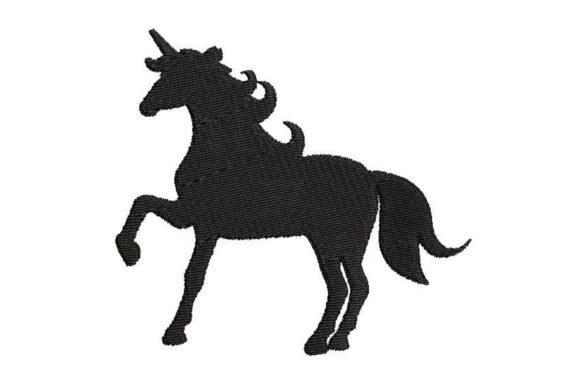
When I first opened the Unicorn Silhouette embroidery design, my immediate thought wasn't about mythical creatures—it was about mood. This isn't a detailed, hyper-realistic unicorn; it’s a beautifully digitized silhouette. That means it creates a sense of elegance, mystery, and timeless whimsy. The shape is clean, the lines are fluid, and the overall visual personality leans toward modern, minimalist charm rather than childish cartooning. This tells me it’s a design with wide appeal, perfect for projects where subtlety and sophistication are as important as the theme itself.
Where This Design Finds Its Magic in the Real World
As a designer who works with client projects and my own craft business, I constantly evaluate a design’s practical application. The Unicorn Silhouette naturally belongs on items where its silhouette can become a striking focal point. Imagine a custom embroidered tote bag for a book lover—the design, stitched in a deep navy or silver thread, adds a touch of personality without overwhelming the bag’s functionality. On a baby embroidery project, like a simple white swaddle blanket, it transforms into a delicate, magical accent perfect for nursery decor or a thoughtful personalized gift.
My mind also goes to holiday embroidery and small shop product lines. A crisp apron with this silhouette stitched near the pocket instantly feels boutique-ready. For an Etsy seller specializing in embroidered patches, this design is a goldmine. It’s recognizable, easy to style in printable mockups, and when stitched onto a sturdy felt backing, it becomes a versatile design asset for customers to add to jackets, hats, or backpacks. The silhouette’s strength is its adaptability across custom apparel, from the left chest of a sweatshirt embroidery to the center of a pillow cover meant as a wedding gift.
A Few Practical Places to Use It Carefully
No design is universally perfect, and a professional review requires honesty about limitations. Because it's a silhouette, its appeal relies on clear, unbroken outlines. On heavily textured fabrics like some towels or certain knit blankets, the crisp edges might soften slightly. On stretchy fabric like some t-shirts, using the correct stabilizer is absolutely non-negotiable to prevent distortion.
I’d also be cautious on very small hoop sizes. If the design file includes a very small version, the finest details of the horn and mane could become overly dense. Always test the design on scrap fabric first, especially on dark fabric backgrounds. The choice of thread colors is crucial here—a black silhouette on a black shirt loses all impact, while a white or metallic thread on dark fabric creates stunning contrast. For caps or other curved surfaces, the design’s overall shape should work well, but you’ll need to ensure the digitization handles the curve without puckering.
How This Silhouette Stitches Up Business and Customer Appeal
From a commercial perspective, this machine embroidery design affects more than just stitch quality. When I consider using it for my handmade product line, I think about customer trust and professionalism. A clean, well-digitized silhouette stitches out reliably. That consistency means every finished product looks identical—vital for brand consistency and for building buyer engagement. Customers react positively to crisp, professional embroidery; it signals care and quality.
For digital product sellers, this design, coming in multiple embroidery file formats, is a solid commercial embroidery asset. Its theme from the Fairy Tales category is evergreen, not seasonal, making it a good long-term listing. Its visual clarity also makes it highly giftable. A monogrammed baby item with a small unicorn silhouette next to the name feels special. A kitchen towel with this design becomes more than utilitarian; it’s a charming piece of home decor. This directly increases the perceived value of the finished product.
Essential Designer Notes Before You Hoop Anything
Before you run this file on your machine for a client order or a new craft fair product, here’s my practical checklist. First, I always review stitch density in my software preview. A silhouette shouldn’t be overly dense; it should use fill stitches that are efficient and smooth. Check thread color contrast by creating simple black and white mockups. How does it look in a single color? Often, silhouettes shine in one bold color.
You must confirm hoop size and inspect small details like the tip of the horn or the flow of the tail. Are they defined without being too tiny to stitch cleanly? Crucially, always use proper stabilizer for the chosen fabric texture. And the most important note: confirm licensing before selling finished items or digital products. The product description mentions it comes with multiple formats and can be used with multiple machines, but the specific license for commercial projects is something you must verify with the designer or distributor. Never assume.
The Final Stitch: A Confident Choice for Makers
Evaluating the Unicorn Silhouette as an embroidery project for real use leaves me confident. It’s a design with a clear mood and versatile application. It avoids the clutter of excessive detail, making it a reliable choice for apparel decorators and creative entrepreneurs who need a design that stitches out cleanly and sells on its elegant recognition. Whether you’re preparing a custom tote bag design for a boutique branding project or stitching it onto a baby clothes item for a local market, this silhouette delivers a professional, magical result. It reminds us that in Embroidery, sometimes the simplest shapes, executed well, carry the most power.