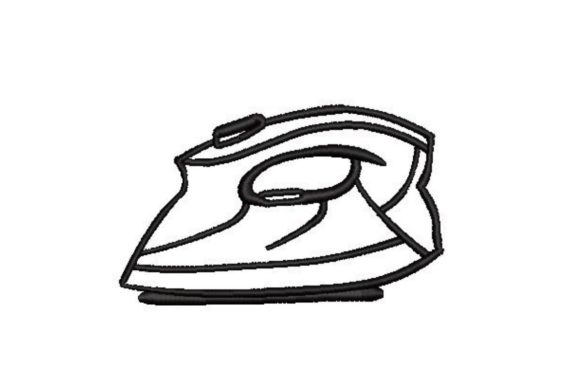
Iron Embroidery Design Review for Craft Fair Products
When I sit down to review a new embroidery file for my craft fair inventory, I look at it from every angle—as a maker, a seller, and a customer browsing a booth. Today, I’m evaluating “Iron.” This isn't just about stitching a cute picture; it's about judging a design's potential to become a physical product that people will notice, pick up, and buy on a busy market day.
First Impression: Modern Simplicity with Rustic Potential
The title “Iron” immediately sets a tone. This isn't a floral or an animal—it's a functional, everyday object. My first thought is that it leans into a modern, clean aesthetic, but it also holds potential for a rustic, farmhouse, or even a minimalist decorative vibe. The key will be how we execute it. On a crisp white tea towel, it could feel sleek and contemporary. On a natural linen tote bag, it might read as cozy and handmade. The design's success will hinge on fabric choice and thread color, turning a simple concept into a premium-feeling product.
Where Iron Shines on Craft Fair Products
Imagine your booth table: a mix of tote bags, aprons, pillow covers, and small gift items. “Iron” needs to find its home where it makes the most sense and sells the most easily.
Top Product Recommendations
- Tote Bags & Market Bags: This is a strong contender. An iron is a symbol of home and care, which resonates with customers buying a bag for groceries or library trips. It’s a clear, singular image that won't get visually lost on a larger canvas.
- Aprons & Kitchen Towels: This is a natural fit for the “House” category. An embroidered iron on the corner of a tea towel or the chest of an apron instantly creates a thematic, useful kitchen product. It feels giftable and functional.
- Embroidered Patches: If the design has clean outlines without overly dense stitching, it could be excellent as a patch. Patches are low-cost, high-turnover items at fairs. An iron patch could appeal to those looking for a unique, subtle detail for a jacket or bag.
- Pillow Covers & Pouches: For a more decorative application, a small iron design repeated in a corner or used as a focal point on a linen pillow cover could work beautifully, suggesting a cozy, homemade touch.
Products to Consider Carefully
- Caps: The curved surface of a cap can distort designs. Unless “Iron” is specifically adapted for curved hooping or is very simple, it might lose clarity here. Always test first on scrap fabric mimicking a cap's curve.
- Small Accents on Dark Fabric: If the design has fine details or small lettering (though not mentioned in the description), stitching it on dark fabric with light thread requires perfect tension and stabilizer to prevent puckering and maintain readability.
Practical Production & Selling Points
As a small shop owner, my time and materials matter. Here’s my real-world judgment on producing and selling with this machine embroidery design.
Production Efficiency
The description says it’s an “easy-to embroider design” and comes in multiple embroidery file formats. This is promising for batch production. I’d advise:
- Always test on scrap fabric first, especially the fabric you plan to sell (like textured towels or thick canvas for bags). Check for stitch density—high density can cause puckering on lightweight fabrics.
- Check thread contrast. Does a classic silver/gray thread work, or would a bold black or a warm copper make it pop more on your chosen product? Contrast drives customer attention.
- Confirm hoop size from the actual file details before starting production. A design that fits in a common, smaller hoop (like 4x4) is fantastic for quickly embroidering many towel corners or patch blanks.
Customer Appeal at the Fair
At a craft fair, products sell based on quick visual understanding and emotional connection. “Iron” is straightforward—people recognize it instantly. This is a strength. It doesn’t require explanation. On a tote bag, it tells a story of practicality and home. On a tea towel, it feels authentic and useful, elevating a simple item into a handmade product with perceived value.
For your booth display, consider grouping “Iron” products together. A stack of tea towels with this embroidery, next to a displayed apron, creates a thematic “kitchen” section that attracts buyers looking for cohesive gifts.
Critical Notes for a Professional Finish
To ensure your finished products look professional and sell well, both in-person and online for your Etsy listings, pay attention to these details:
- Photography: This design, being a solid object, should photograph well for online listings. Use a clean background. Ensure the stitches are crisp in the photo—good contrast is key. Consider creating a printable mockup for digital listings to showcase the design on various products.
- Fabric Texture: On heavily textured linen or terry cloth, the design's clarity might soften. This can be a beautiful handmade effect, but test it to ensure it doesn’t look messy or unfinished.
- Commercial Licensing: The description mentions it’s ready for your next project, but as a commercial embroidery business, I always confirm the license terms of the digital embroidery file before selling finished products. Ensure you have the right to use it for commercial handmade products.
- Create a Real Mockup: Before committing to batch production, embroider “Iron” on one actual tote bag or towel. See how it feels in your hands, how the fabric behaves, and judge its real-life appeal. This first sample can also be your star booth sample.
Final Judgment for Your Handmade Business
“Iron” is a versatile design with clear commercial potential for craft fair sellers. Its strength is its recognizable, thematic nature fitting the “House” category. It won’t be a loud, funny design that grabs attention with a joke, but rather a steady, quality design that appeals through simplicity and context. It works best as a medium-sized focal point on practical items like bags, aprons, and towels. For maximum impact, pair it with high-quality fabrics and thoughtful thread colors to push it from simple to premium. Remember, the value in a craft fair product isn't just in the digital embroidery file—it's in your execution, your choice of materials, and how you present it as a complete, desirable handmade story.