Donkey Pole Dancing: A Professional Design Review for Merchandise
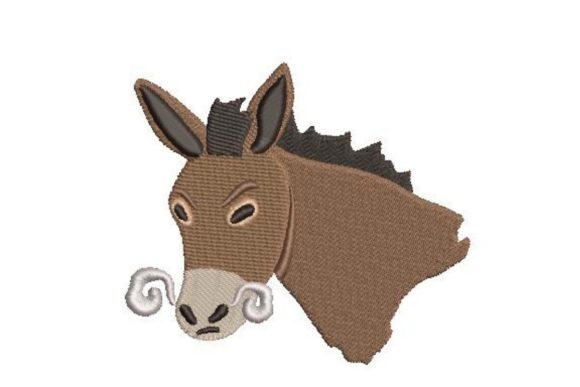
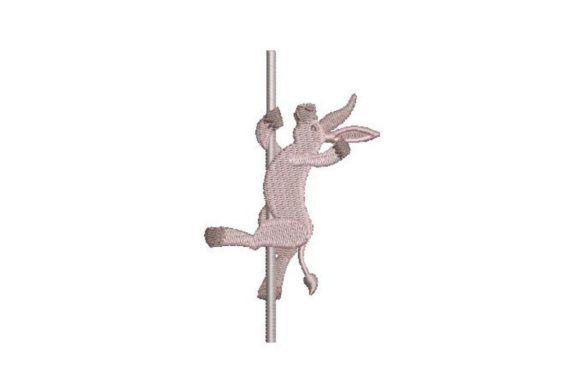
As an embroidery designer who regularly evaluates files for branded merchandise and business use, my first impression of Donkey Pole Dancing is one of playful, confident charm. The name alone suggests a blend of rustic farm animal appeal with a bold, unexpected twist. This creates a personality that’s far from generic—it’s memorable, friendly, and carries a strong visual story. For a small business looking to stand out, this inherent character is a powerful starting point.
Where Donkey Pole Dancing Excels in Business Applications
This design isn't just a decorative piece; it's a versatile asset for creating cohesive branded merchandise. The title and description hint at a design that's both gorgeous and adaptable, which, from a professional standpoint, means it likely has clean lines and balanced composition suitable for scaling.
For a local café, bakery, or creative studio wanting a unique mascot, Donkey Pole Dancing could become the central emblem on staff aprons, transforming a uniform into a conversation starter. On a polo shirt or work shirt chest logo, it injects personality without sacrificing professionalism. As an embroidered patch, it's perfect for application on tote bags, product packaging, or as a customer gift—adding a handmade, premium feel to simple items.
Imagine a boutique or pet brand using this as a sleeve detail on denim jackets or as a cap design for event merch. The Farm Animals category root gives it a grounded, earthy quality that resonates with businesses leaning into a rustic, handmade, or locally-sourced narrative. For an Etsy seller or craft business, this design can serve as a consistent brand mark across various products, enhancing visual consistency and buyer recognition.
Strategic Considerations for Commercial Embroidery
While the potential is high, practical application demands careful planning. Any embroidery design, especially one with a descriptive name like Donkey Pole Dancing, must be evaluated for technical performance in real-world scenarios.
First, scale is critical. Before running any production, test the embroidery file at the intended small patch size, perhaps for a product label or a cap front. Check how the details, especially any potential lettering or intricate outlines, hold up at reduced dimensions. High stitch density in small areas can lead to stiffness or puckering.
Second, consider the fabric and context. On curved surfaces like caps, or textured fabrics like twill tote bags, a design needs good registration and sensible spacing. On dark uniforms, thread color contrast becomes paramount; you may need to adjust the palette for optimal visibility. Items destined for frequent washing, like aprons or work shirts, require a robust stitch structure that won’t degrade.
Essential Pre-Production Steps for the Designer
- Always test in a single color first, like black on white fabric, to evaluate the core silhouette and stitch paths without color complexity.
- Check the specified hoop size against your target garment. Confirm the design fits your machine's capabilities and the item's available space.
- Use the proper stabilizer for your chosen fabric to ensure a clean finished product.
- Create a printable mockup for client approval before stitching on real fabric. This saves time and material.
- Compare Donkey Pole Dancing beside your other brand assets to ensure it complements your overall visual identity.
- Most importantly, confirm the commercial licensing terms of the digital embroidery file before any business use. The product description mentions it comes with multiple embroidery file formats, but the specific license for commercial embroidery must be verified.
Impact on Brand Identity and Customer Perception
Implementing a distinctive design like Donkey Pole Dancing goes beyond aesthetics; it shapes your brand identity. This design can signal a business that is approachable, creative, and unafraid to be different. It builds customer trust through authenticity and enhances product value by making a simple cap or tote feel like a custom, thoughtfully crafted item.
For a florist, pet shop, or farm-themed business, it directly reinforces the brand story. The playful element can increase engagement, making merchandise more likely to be worn, shown off, and remembered. It turns custom apparel into a badge of community for your customers and staff.
However, the tone must align with your brand's core message. If your business requires a more solemn or minimalist aesthetic, the bold personality of Donkey Pole Dancing might need to be adapted or used only in specific, playful contexts like limited-run event merch.
Final Recommendations for Merchandise Success
Donkey Pole Dancing presents a fantastic opportunity for small businesses in the handmade, retail, or service sectors to create memorable, branded merchandise. Its inherent charm is a major asset.
To leverage it successfully:
- Start with a clear merchandise plan. Decide if it will be a primary logo or an accent on aprons, caps, or tote bags.
- Execute the pre-production tests rigorously. A flawless embroidery file is worthless if it doesn't perform on your chosen garments.
- Use it consistently across touchpoints to build strong brand recognition.
- Embrace its playful nature. This design is meant to spark joy and connection, which is the ultimate goal of great small business merch.
Ultimately, the description notes it "looks great on any fabric," but your professional diligence—testing, scaling, and licensing checks—will ensure that Donkey Pole Dancing not only looks great but also performs brilliantly as a long-term asset for your branded patch, uniform, and merchandise needs.