Camel with Number 24: A Boutique Sweatshirt Design Review
When a boutique brand plans a limited sweatshirt drop, the embroidery design chosen becomes the cornerstone of the collection. It must resonate with the brand’s identity, appeal to its audience, and execute flawlessly on the final product. Today, I’m evaluating Camel with Number 24 from this exact perspective: as a professional embroidery designer preparing a premium sweatshirt collection for a small online shop.
First Impression: Playful & Rustic Charm
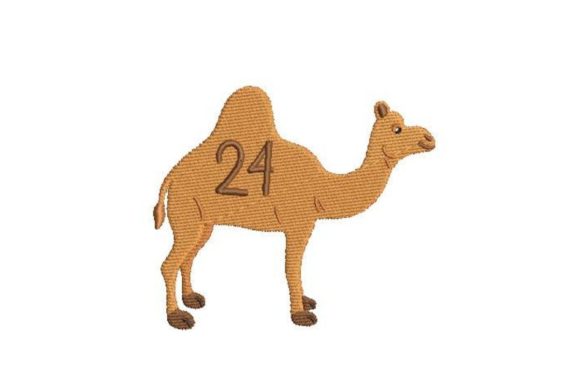
The title itself, Camel with Number 24, sets a specific mood. This isn’t a generic animal motif; it’s a character. The combination suggests a playful, perhaps slightly rustic charm with a touch of personalization—that number adds a layer of narrative. My first visual impression imagines a camel design, likely with a friendly or whimsical posture, integrated with the numeral 24. This creates a layout that is inherently decorative and eye-catching, moving beyond a simple logo into a story piece.
Based on the product description highlighting its ease of embroidery, I anticipate a clean, well-digitized design with a manageable level of detail. It should stitch out with a crisp personality, avoiding overly dense fills that can overwhelm softer fabrics. The promise that it stitches perfectly to any kind of fabric indicates robust digitizing, a crucial factor for boutique brands that might use a variety of fabric weights and textures in their line.
Sweatshirt Embroidery: Visual Impact & Placement
For a sweatshirt collection, Camel with Number 24 offers versatile placement potential. On a classic chest placement on a hoodie or crewneck, it would serve as a strong, central brand statement. The design feels bold enough to stand alone without needing supplementary graphics.
Neutral & Dark Fabric Foundations
On neutral sweatshirts—heather grey, cream, oatmeal—the design would pop with a classic, premium feel. Using contrasting thread colors, like rich browns or blacks for the camel and a bright white or gold for the number, would create a sophisticated, handmade product aesthetic. On dark fabrics, such as charcoal or navy, the choice of thread colors becomes even more critical to ensure legibility and a striking, decorative contrast. It would look excellent on oversized hoodies, where the design scale can be adjusted to fit the larger garment proportion without losing detail.
Pastels & Seasonal Cozy Apparel
Applied to pastel sweatshirts—soft pink, baby blue, mint—Camel with Number 24 could shift towards a more cute and playful vibe, perfect for a lifestyle brand targeting a feminine or youthful audience. This adaptability is key for a boutique that wants to offer color variations within a single collection. On cozy seasonal apparel, like fleece-lined sweatshirts, the design adds a decorative, almost whimsical accent that enhances the garment’s comfort-oriented appeal.
For back designs or smaller sleeve accents, the readability of the number at a reduced size would need verification. The description mentions it being easy to embroider, which hints at good small-size readability, but I always recommend testing the specific embroidery file at your intended hoop size before finalizing production.
Practical Designer Concerns for Commercial Use
Moving from visual concept to physical stitch-out involves several practical considerations for commercial embroidery.
Thread Color Contrast & Fabric Texture
The success of Camel with Number 24 hinges on thoughtful thread color selection relative to the sweatshirt color. High contrast is usually desirable for clarity and impact. The fabric texture of a sweatshirt—typically a looped or brushed fleece—requires a design with appropriate stitch density. Too light, it may sink into the fabric; too dense, it can distort the knit. The claim of stitching perfectly to any fabric is promising, but it underscores the need for the right stabilizer choice. A medium-weight cutaway stabilizer is often a safe bet for sweatshirt embroidery to ensure washing durability and prevent puckering.
Stitch Density & Hoop Placement
A design that is “very easy to embroider” often implies well-paced stitch sequences and sensible density. This is vital for production efficiency and fabric integrity, especially for a small shop running a limited drop. Hoop placement on sweatshirts, particularly at the chest, requires attention to the garment’s structure to avoid catching placket seams or pockets. The design’s layout should allow for clean centering.
Does Camel with Number 24 feel strong enough for commercial apparel use? Its described versatility and ease suggest it is a reliable digital embroidery file. However, for final assurance, checking the exact file formats, recommended hoop size, and any included guidelines on stitch count is an essential step before production begins. These details are not specified here, so I would urge any boutique brand or Etsy seller to confirm them with the file provider.
Brand Identity & Product Value Enhancement
For a small boutique brand, the embroidery design directly influences perceived product value, buyer trust, and brand identity.
Visual Recognition & Customer Engagement
Camel with Number 24 is inherently memorable. It’s not just an animal; it’s a specific scene. This boosts visual recognition for your brand, making your sweatshirts instantly identifiable in product photography, on social media, or in Etsy listings. In lifestyle product photography, this design becomes a focal point, telling a story about the brand’s playful or rustic character.
Handmade Presentation & Buyer Trust
A clean, well-executed embroidery stitch-out signals quality. It showcases a handmade, careful presentation that builds buyer trust. It tells the customer that the apparel is custom, thoughtfully crafted, and not mass-produced. Using printable mockups or design assets featuring this embroidery can significantly enhance your online listings, allowing customers to visualize the final product before purchase.
Ultimately, Camel with Number 24 presents itself as a fun project, as the description says, but also as a potent design asset for a creative entrepreneur. It blends decorative appeal with practical digitizing, offering a path to create a cohesive, premium-feeling sweatshirt collection that can resonate across different fabric colors and styles, from minimal and casual to bold and decorative.
Final Thoughts for the Boutique Drop
In preparing your limited drop, consider Camel with Number 24 as a central design theme. Test it on your chosen sweatshirt blanks—neutral, dark, and pastel—to see its character shift. Evaluate its stitch-out on your machine with your standard thread palette and stabilizers. Confirm all technical details of the embroidery file. If it performs as described, it has the potential to elevate your custom apparel, strengthen your boutique brand’s visual language, and create a cohesive, engaging collection for your audience.