Butterfly Line Drawing Embroidery Design Review
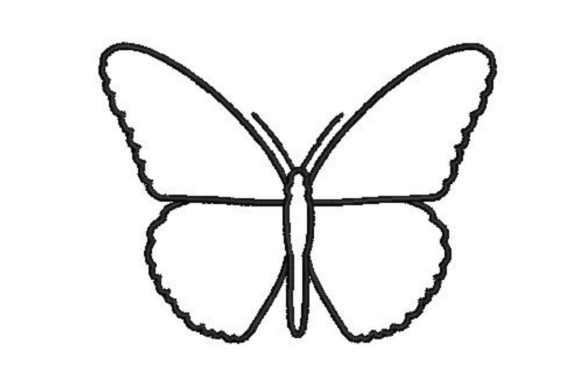
This week, I’m evaluating designs for my upcoming craft fair booth, where I’ll be selling embroidered goods. One standout candidate in my digital catalog is Butterfly Line Drawing. Let’s put on my professional designer hat and review it from a practical, production, and sales perspective.
First Impression: Minimal, Modern, and Versatile
The title Butterfly Line Drawing tells you exactly what you get: a clean, line-based illustration. The description mentions it’s a “cute design of a linen butterfly,” which suggests a soft, slightly rustic feel. In practice, the aesthetic leans minimal and modern. It’s not overly ornate or dense. This is a huge advantage for craft fair products. At a glance, customers can recognize a butterfly—a universally appealing symbol—without the design feeling cluttered or “busy.” It feels decorative and premium without being fussy, which works across multiple customer tastes from farmhouse to contemporary.
Where Butterfly Line Drawing Shines on Products
Imagine your display table: tote bags, aprons, tea towels, patches, caps, pouches, and pillow covers. The key is matching the design to the product’s function and visibility.
For tote bags and market bags, this design is a winner. Its line-art style translates beautifully to a larger focal point on bag panels. It’s eye-catching without overwhelming the fabric. On aprons and kitchen towels, it acts as a perfect accent—a single butterfly near a hem or corner adds that “touch of flair” mentioned in the description without interfering with the item’s utility.
Embroidered patches are another strong contender. The clean lines mean the butterfly will retain its clarity even when reduced to a smaller size for a patch, making it ideal for appliqué or standalone patches. For caps, careful consideration is needed due to the curved surface. The design should be tested at a smaller scale to ensure the lines don’t distort on the curve.
On pillow covers and fabric pouches, it offers a soft, decorative element that elevates a simple item into a giftable handmade product. The minimal nature means it pairs well with textured fabrics like linen or cotton, enhancing the handmade quality feel.
Practical Production Notes for Sellers
As a maker, your time and material costs matter. Here’s how Butterfly Line Drawing performs in production.
Since it’s described as a line drawing, I anticipate moderate stitch density. This is good news for batch production on items like tea towels or tote bags; it won’t eat up excessive thread or time. However, always test the design on scrap fabric first. Check for any tiny, intricate details that might become lost or cause thread breaks on thicker fabrics like denim or textured towels.
Thread color contrast is crucial. On light fabrics, a dark thread (navy, brown, black) will make the butterfly pop. On dark fabrics, you’ll need a bright, contrasting thread (white, cream, light pink) to maintain clarity. The design’s simplicity means it photographs well for Etsy listings and printable mockups—clean lines look sharp in online photos, which directly boosts buyer engagement.
A major practical point: the description states it “comes with multiple embroidery file formats.” This is vital for commercial embroidery using different machines. Before production, confirm your specific machine’s required format is included. Also, always confirm commercial licensing before selling finished products. The description doesn’t specify license terms, so it’s your responsibility to check.
Regarding hoop size, this design likely works across a range. For a small accent on a pouch, a smaller hoop suffices. For a focal point on a pillow, a larger hoop may be needed. Always create at least one real mockup on your intended product. Compare how it looks on different fabric colors in your lineup to ensure brand consistency across your booth.
Selling Power at the Craft Fair Booth
At the fair, your booth display needs to grab attention. Butterfly Line Drawing contributes to display strength because it’s easily understood. Customers walking past can immediately recognize a pretty butterfly on a tote bag or apron, which stops them for a closer look. It feels repeatable—having a series of tea towels each with the same butterfly in different thread colors creates a cohesive, attractive display that suggests quality and care.
This design increases product value by adding a handmade, artistic touch to a basic item. A plain canvas tote becomes a specialty bag. A simple tea towel becomes a kitchen decor piece. For the customer, it’s an affordable way to get a custom-looking item. For you, it’s a reliable, versatile small shop product that can anchor multiple product lines.
Careful-Use Considerations
While versatile, some contexts require caution. On very dark fabric, ensure your thread and stabilizer combination prevents puckering and maintains line clarity. If you scale the design down significantly for a cap or tiny patch, inspect if the lines remain distinct—some machine embroidery designs lose detail at minute sizes. For items like textured towels or dense fabrics, using the correct stabilizer is non-negotiable to keep the lines smooth.
The “linen butterfly” cue might imply a preference for natural, woven fabrics. It will look superb on linen, cotton, and canvas. On very smooth or synthetic fabrics, the aesthetic might shift, so test to see if it still conveys the desired soft, rustic feel.
Final Judgment for Creative Entrepreneurs
Butterfly Line Drawing is a highly recommended design for craft fair sellers and embroidery business owners. Its minimal, cute, and modern character makes it adaptable across a huge range of products. It sells because it’s instantly likable and adds perceived value without complex production hurdles. It supports batch production for efficiency and photographs beautifully for online shops.
Your action plan: download the digital embroidery file, check the included formats and licensing, then immediately stitch a test sample on your target fabric. Experiment with thread colors. Make one finished craft fair product—a tote bag or pillow cover—as your booth sample. Its visual appeal will draw customers in, and its simplicity will allow you to produce it reliably throughout the busy fair weekend, turning a lovely line drawing into consistent sales.