A Practical Review of the Moose Crossing Sign Embroidery Design
Whenever a new embroidery file lands in my library, my first thought isn’t just about how it looks on screen. It’s about how it will look after stitching. How will it feel in the hands of a client? What will it become? Today, I’m considering the Moose Crossing Sign design, a piece that immediately brings a smile and a very specific, rustic mood to mind.
The Immediate Appeal: Quiet Confidence & Rustic Charm
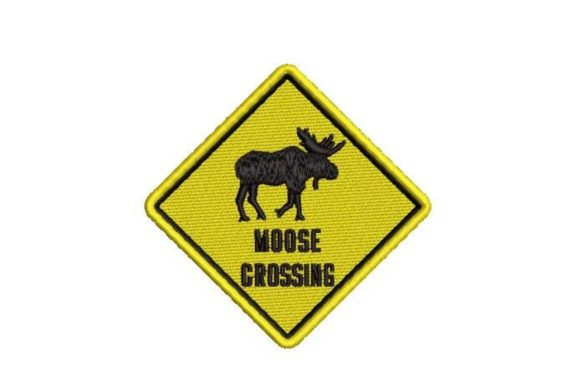
This isn’t a frantic, overly detailed wild animals design. It’s a quiet statement piece. The layout—that classic, triangular warning sign shape with the sturdy moose silhouette inside—has a built-in authority. It feels nostalgic and grounded. The detail level seems smart: enough to give the moose character without becoming a dense, thread-heavy fill stitch nightmare. This kind of visual personality doesn’t scream; it subtly suggests a connection to the outdoors, to a cabin weekend, or to a simple love of nature. I can already picture it not as a centerpiece, but as a perfect accent on a curated handmade product.
Where This Design Naturally Belongs in Your Project Lineup
Let’s walk through a real scenario. I’m preparing a custom order for a client who runs a small, nature-inspired boutique. They want a series of embroidered tote bags for their shop. The Moose Crossing Sign design leaps out as an option. It’s not overly cute or aggressive; it’s simply recognizable and charming. Stitched onto a sturdy canvas tote, it would convey quality and a specific aesthetic instantly. That’s the power of a well-chosen theme.
Beyond tote bag designs, this file feels incredibly versatile for the maker community. It would sing on a heavyweight sweatshirt embroidery, adding a personalized gift touch without being too personal. On a baby’s quilt or a set of nursery decor tea towels, it becomes a gentle, wild accent. As an embroidered patch, it could be applied to a backpack or a cap, offering that handmade presentation buyers seek at craft fairs. For holiday embroidery, think of it on a cozy blanket or a pillow cover as a gift for someone who loves the mountains. Its simplicity is its strength for small shop products.
Performance in Real Stitching Situations: A Designer’s Notes
When translating a digital embroidery file to a finished product, practical concerns take over. The Moose Crossing Sign appears to have clean lines and distinct areas. This suggests it should stitch out with good clarity, which is crucial for customer trust and visual appeal. The sign’s border likely uses a satin stitch, while the moose interior probably relies on fill stitches. This combination needs proper stabilizer to look crisp, especially on stretchy fabric like t-shirts or on textured fabrics like some sweaters.
Here’s where you need to be careful. That small lettering for “MOOSE CROSSING” is the potential challenge. On curved surfaces like caps, or if you try to scale it down for a very small hoop size, those tiny letters could lose definition or become overly dense. Always test the design on scrap fabric first, particularly if you plan to stitch it on dark fabric. Check the thread color contrast. A design like this might rely on a light fill stitch for the moose against a darker sign background; on a black sweatshirt, you might need to rethink your color palette entirely so it doesn’t get lost.
Considerations for Commercial Embroidery & Business Use
For apparel decorators and creative entrepreneurs selling finished items, this design affects product value and brand consistency. It’s a cohesive, standalone motif. If your brand is about rustic, outdoorsy, or wholesome themes, incorporating this into your line of custom apparel or kitchen towels could enhance your boutique branding. It’s giftable and professional.
However, a critical step for any commercial embroidery project or digital product seller is to confirm the licensing terms of the design file before selling finished items. The provided description doesn’t specify this, so you must check. Does it allow for commercial use? How many finished products can you create? This is non-negotiable for protecting your craft business.
Enhancing Buyer Engagement & Final Presentation
The final stitch quality directly impacts buyer engagement. A clean, well-executed Moose Crossing Sign on a product photo for your Etsy listing tells a customer you care about craftsmanship. For digital embroidery file sellers creating printable mockups, this design is a strong asset because its clear shape and theme are easy to visualize on various products.
My advice for maximizing its appeal: test it in both light and dark fabric backgrounds for your mockups. Review the stitch density in the moose’s body—if it’s too high, it could make the fabric stiff, which is a concern for baby clothes or garments needing frequent washing. Inspect those small details in a sample run. Does the running stitch outlining the moose hold up? This preparation turns a fun design into a reliable, profitable part of your embroidery project toolkit.
A Final, Friendly Judgment
The Moose Crossing Sign design feels like a confident, practical choice. It carries a mood without being fussy. It belongs on a wide range of projects from personalized gifts to small business merchandise. Its success, however, hinges on your smart application. Match it with the right fabric, the correct hoop size, and thorough testing. Then, it will deliver that beautiful and wild accent exactly as promised, elevating your next creative embroidery project with a touch of quiet, rustic charm.